
Greece’s social-media age limit changes the 2027 audience brief
The law starts on 1 January. Brands and institutions should revisit how they reach young people, parents and educators.
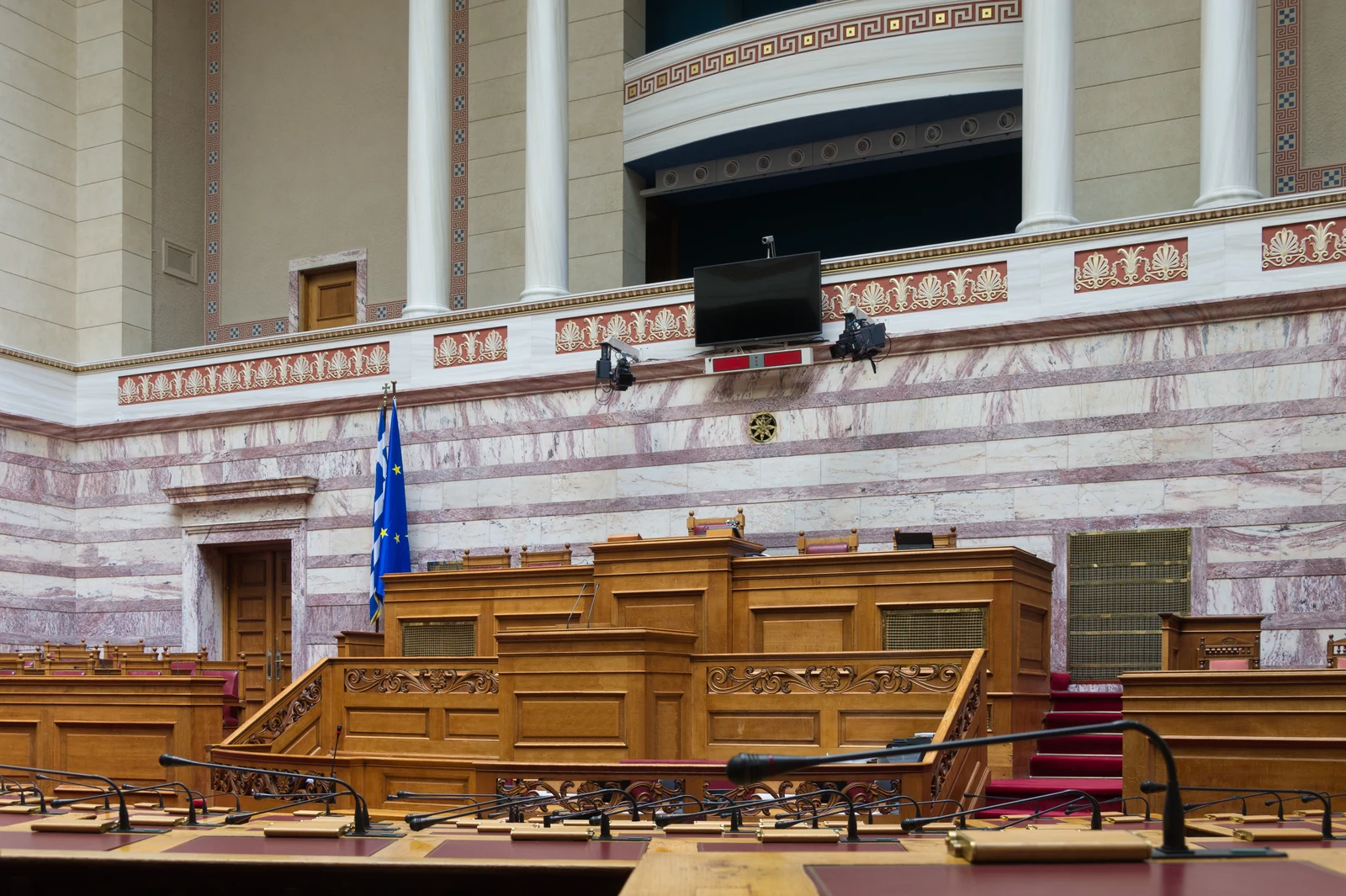
Greece has enacted a minimum age of 15 for access to online social-networking services supplied by online platforms. Law 5350/2026, published on 26 October, takes effect on 1 January 2027. Its age calculation treats everyone born in the same calendar year as born on 1 January. This makes the change a concrete consideration for next year’s audience planning. [Sources]
On 3 November, ANA-MPA reported that ministers met TikTok representatives as implementation discussions began. The government requested platform plans and demonstrations for early December. The operational details therefore still need watching alongside the enacted law.
Separate the audience from the buying decision
For an education provider, cultural venue or family destination, a child may influence a choice while an adult pays, books or gives permission. A campaign that treats those people as one social audience can miss the practical route to a decision. Planning should identify who needs inspiration, who needs reassurance and who completes the action.
Our reading is that the immediate marketing task is to examine those relationships. A museum promoting school activities could build its programme around teachers and parents, with useful material on its own website and clear booking information. A family hospitality offer could give adults the detail they need about activities, supervision and suitability. Those are stronger foundations than carrying last year’s platform reach assumptions unchanged into a new budget.
Build a brief that can adapt
One9Six would connect policy monitoring with a review of the actual campaign journey: intended audience, channel, creative, destination and enquiry. We would identify the activity most exposed to changing access, then develop alternatives around permitted audiences and appropriate partnerships. The same work should inform creator selection and the questions community managers are prepared to answer.
For a public institution, the priority is a clear explanation of what changes, when it changes and where families can find authoritative information. A short, maintained information page can anchor press communication, social updates and service enquiries as platform arrangements become clearer.
The next decision is specific: review the January campaign brief before production and media commitments are locked. Record which assumptions depend on platform implementation, assign someone to monitor official updates and keep the audience plan flexible enough to respond.
Sources
- Greek Government Gazette A177/26.10.2026 — Law 5350/2026, Articles 4–6 ↗26 October 2026
- Hellenic Parliament — Law 5350/2026 legislative record ↗26 October 2026
- ANA-MPA — Government begins platform meetings on the social-media age limit ↗3 November 2026
Sources checked 4 November 2026. News and research are attributed above; the application to clients is One9Six’s analysis.