
Coca-Cola, Nestlé and Danone commit to clearer recycling claims
Europe’s consumer authorities are examining the whole impression of a claim, from packaging to digital campaigns.
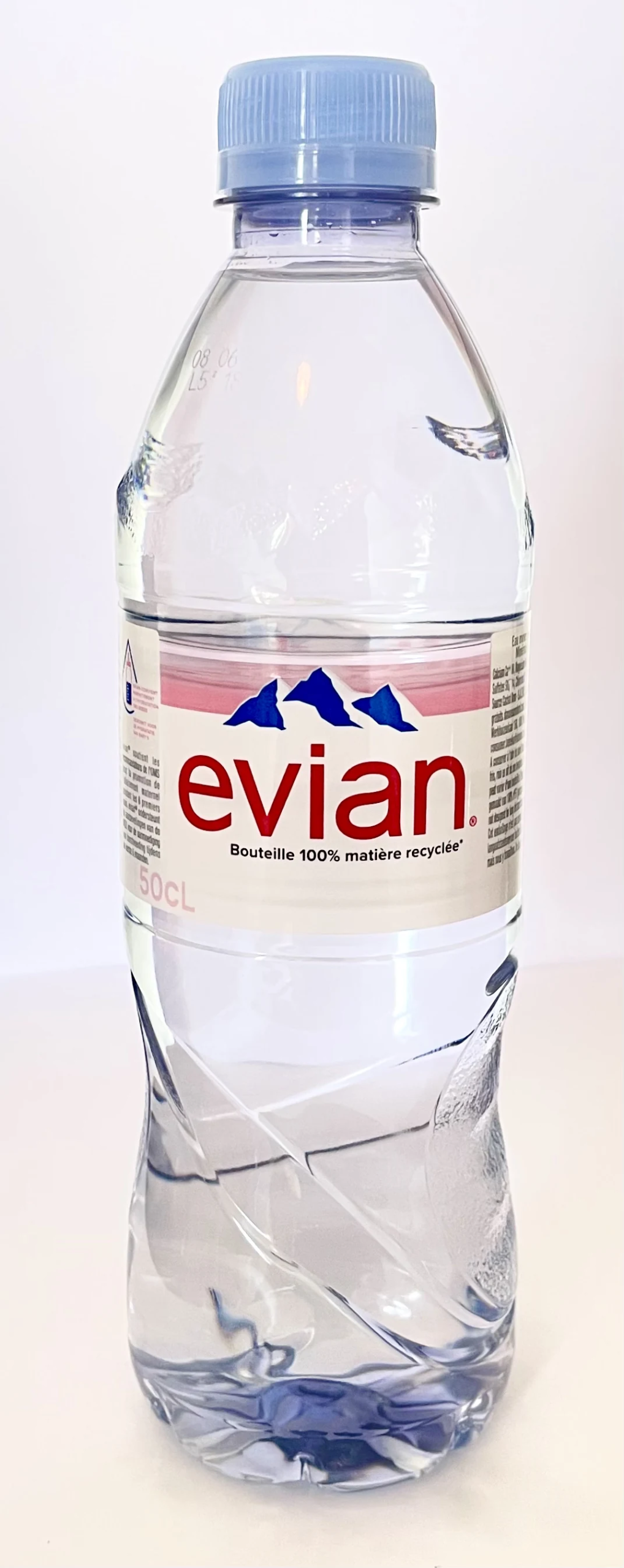
On 22 October, the European Commission announced coordinated commitments by Coca-Cola, Nestlé Waters and Danone concerning recycling claims on plastic bottles. The commitments address clear exclusions for caps and labels, wording that could suggest a guaranteed closed recycling loop, and the overall impression of packaging and marketing. They also extend to the companies’ own digital campaigns. National consumer authorities will monitor implementation. [Sources]
These are company commitments following consumer-protection dialogue. The announcement brings together undertakings made at different times; it does not mean every package changed on that date. Danone’s published document also makes clear that its commitments do not constitute an admission of noncompliance.
Make the evidence visible in the creative
For brand teams, the useful lesson is about how a claim reaches a person. A technically accurate qualification can lose its meaning if a mobile crop removes it or a headline makes a wider promise. The words, visual hierarchy and product image need to communicate the same proposition.
One9Six would begin with the evidence behind the environmental benefit and define precisely what it describes. Is it one component, a product range, an operation or the business as a whole? That boundary should guide the main message before the campaign is designed. It should remain clear when the idea becomes a social card, retailer listing, press statement or presentation.
For a hospitality business, the comparable communication question could concern a particular energy or water initiative. For a manufacturer, it could concern recycled material in one product. These are examples of where the same editorial discipline is useful; the bottle commitments are specific to the companies and claims concerned. A narrow, demonstrable improvement can support a stronger story than an expansive environmental promise.
Keep one claim consistent across the journey
The work should connect sustainability specialists, commercial teams and creative production around a single approved explanation. Designers need the qualification while they develop the idea. Customer-facing teams need language they can use when someone asks what the claim actually covers.
The immediate step is to choose the environmental claim with the widest exposure and follow it through the customer journey. Compare the evidence, headline, image, qualification and destination page. Correct the point where meaning expands or detail disappears, then use that approved version to guide the remaining assets.
Sources
- European Commission — Sustainable consumption actions: recycling claims on plastic bottles (undated page; announcement dated 22 October) ↗
- European Commission consumer news — Coca-Cola, Nestlé and Danone recycling claims announcement ↗22 October 2026
- European Commission — Danone commitments ↗16 October 2026
Sources checked 4 November 2026. News and research are attributed above; the application to clients is One9Six’s analysis.