
Your event needs to earn its place in the diary
Freeman's new pre-event research shows why an attractive invitation needs practical evidence of the value of attending.
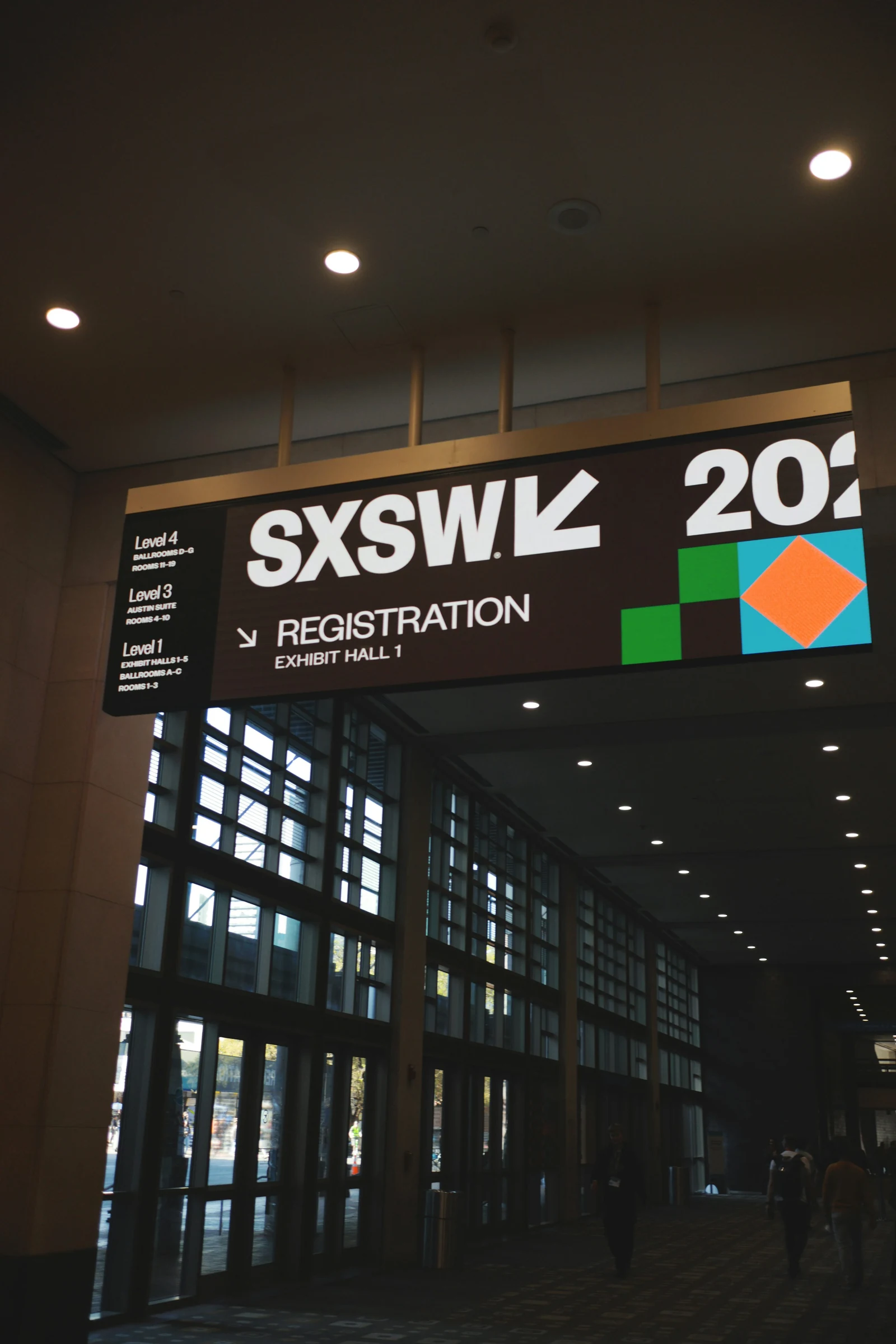
Freeman's pre-event report, released on 13 October, examines how people discover, assess and prepare for professional events. Its survey of 3,459 attendees and exhibitors found that only 18% of attendees approved their own funding. It also found that 84% decided to attend at least four weeks before registering. Most attendee respondents were based in the United States, so these findings are useful planning evidence rather than a forecast for a Greek conference. [Sources]
The distinction between interest, a decision and completed registration matters. A promising audience may be waiting for a budget decision, a useful agenda detail or a workable travel plan. Equally, expressions of interest can conceal uncertainty about whether the event deserves time away from work. Registration totals alone cannot tell an organiser which explanation applies.
Help the prospective delegate make the case
Our view is that event communication should provide material people can use in their own decision. A specific account of the questions being addressed, the expertise available and the intended audience is more useful than a list of broad themes. Someone seeking approval should be able to explain what they expect to learn, who they need to meet and why this event is relevant now.
That does not require making promises about who will attend before registrations are confirmed. It requires precision about the programme and honesty about its stage of development. Organisers can publish confirmed speakers, the purpose of individual sessions and practical participation details as they become available. Targeted updates can then resolve real unanswered questions instead of repeatedly sending the same invitation.
How One9Six would strengthen the invitation
For a business conference or international delegation, we would build the communications around a small set of audience decisions. The initial invitation would explain the professional value. A concise briefing would help a prospective delegate secure internal approval. Programme updates would show what has become concrete, while the participant information would make preparation straightforward once the booking is complete.
We would track those stages separately so the organiser can distinguish people still assessing the opportunity from those awaiting approval or registration. Follow-up would address the relevant obstacle. The same approach can support an online discussion, although a study of live events does not establish identical behaviour online. The common discipline is to give the right person a clear reason and a practical route to participate.
Sources
- Freeman pre-event research announcement ↗13 October 2026
- Freeman Trends Report Pre-Event Edition Q4 2026 ↗13 October 2026
Sources checked 4 November 2026. News and research are attributed above; the application to clients is One9Six’s analysis.