
Hospitality starts before arrival
A visitor experiences a destination through a sequence of decisions. Where to park. Which connection to take. Whether a stop is accessible. How to reach an event and return afterwards. Each decision tests the promise made by destination marketing.
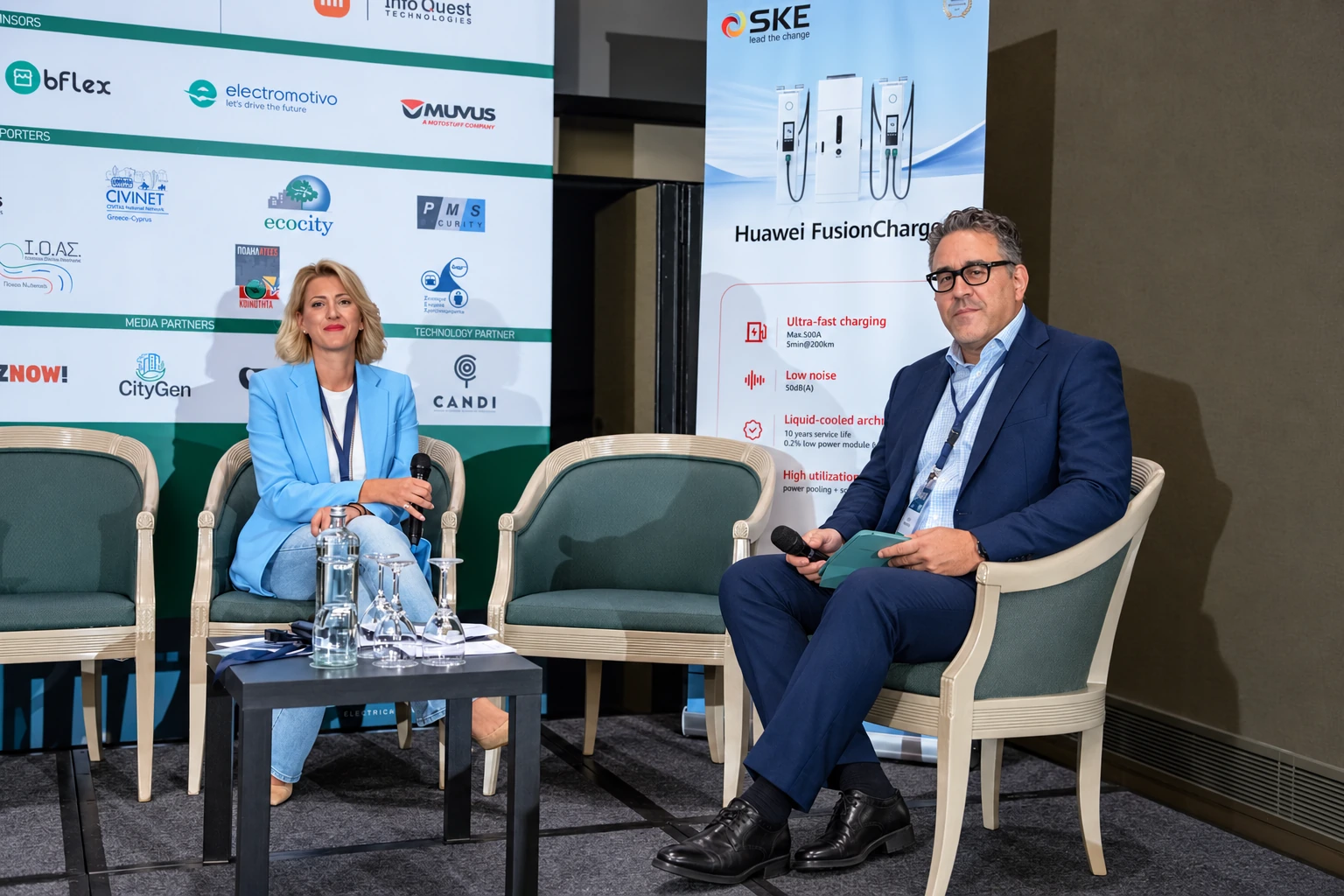
At the 6th Electric + Micro Mobility Forum on 1 October 2026 at Divani Caravel in Athens, Tourism Strategy’s Tasos Flambouras discussed that journey with Vivian Tegou, President of e Trikala, the Municipality of Trikala’s development company. SmartPress organised the forum. The conversation focused on visitor transport to the Mill of the Elves, electric bicycles, charging, connected parking and the conditions needed to sustain a service after its pilot phase.
These are planning questions with a communication consequence. A service becomes useful when visitors know it exists, understand how to use it and can rely on the information provided. The framework below helps teams connect the operational offer with its public presentation.
One9Six / Working notes
From public promise to passenger experience
Use one verified service brief across institutions, operators and tourism businesses.
| Focus | Record | Practical check |
|---|---|---|
| The journey | Arrival point, destination and peak hours | Test the whole connection on site |
| The service | Operating dates, stops, fare and access | Operator approves the public information |
| The responsibility | Owner for updates and disruption notices | A passenger can find help quickly |
| The evidence | Use, reliability and passenger feedback | Compare an agreed period and baseline |
Apply this to your next project
- Date every service claim and identify its source
- Separate project history from current travel instructions
- Approve both Greek and English passenger information
Read the city through its projects
Trikala provides a useful sequence of documented developments. The CityMobil2 final report records its automated transport demonstration from August 2015 to February 2016. Municipal announcements in 2017 describe the city control room. SHOW later described further passenger and delivery trials. These stages illustrate different technology applications, rather than a single continuous transport service.
The Tourism Strategy case study places the 2015 and 2017 developments within Dimitris Papastergiou’s mayoralty while recognising that the city’s technology organisation predates it. That chronology gives the story substance. It also prevents one individual, vehicle or launch from standing in for the work of multiple institutions and partners.
For an agency communicating innovation, attribution matters as much as the headline. Identify the project owner, operating organisation, technology partners, funding context and period of application. A historical demonstration should be dated clearly before it enters destination content.
Make the service understandable
Electric propulsion and automated driving describe different characteristics. Public communication should explain each in the context of the specific project, including the supervision and operating conditions that apply. Technical writing earns its value here by making a complex service understandable without changing its meaning.
Build the content around the passenger’s task. A service page should establish route, stops, operating dates, frequency, fare, accessibility, booking requirements and a contact for disruption. Verify each field with the operator and assign someone to keep it current. Hotels, venues and municipal channels should point to the same authoritative information.
Prepare the questions different stakeholders will ask. Residents may prioritise access and disruption. Tourism businesses need dependable connections and peak period planning. Institutions need evidence of public benefit. Journalists need dated claims and clear attribution. One approved factual brief can support all four conversations, with different emphasis for each audience.
Measure adoption alongside attention
A launch can generate coverage while leaving the passenger journey unresolved. Combine communication measures with service measures. Track discovery of the service page, enquiries and use of route information alongside completed journeys, service reliability and passenger feedback.
Keep the denominators explicit. Utilisation is passenger journeys divided by the available passenger capacity over the same period. Completion rate is completed scheduled journeys divided by planned journeys. Cost per passenger journey uses an agreed operating cost boundary. Compare like periods and account for event peaks before drawing conclusions.
The agency opportunity is to connect these disciplines. Research clarifies the proposition. Technical content explains the service. Stakeholder communication establishes responsibility. Destination marketing brings the relevant audience to a journey they can actually use. That is the perspective we develop through Tourism Strategy.
Sources & context
Primary sources checked on 4 October 2026. Recommendations and illustrative examples are One9Six analysis. Product availability and policy guidance may change.
European Commission CORDIS · CityMobil2 final report
SHOW · Trikala demonstration site
Municipality of Trikala · City control room, October 2017
Apply the method
The destination mobility brief